


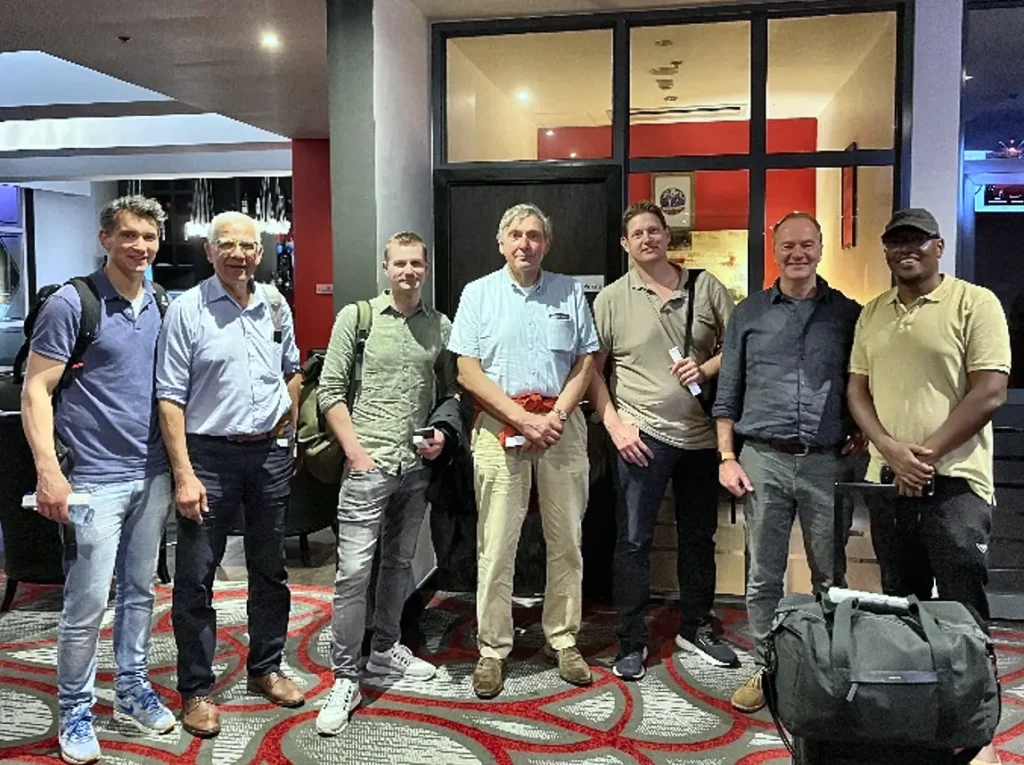
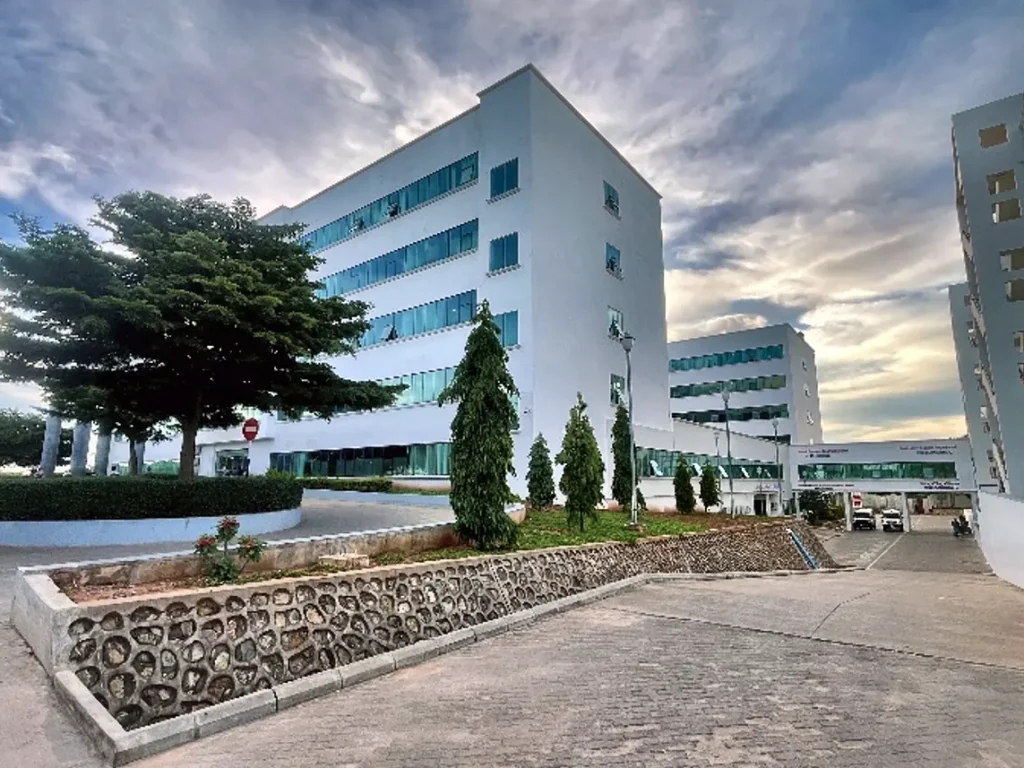
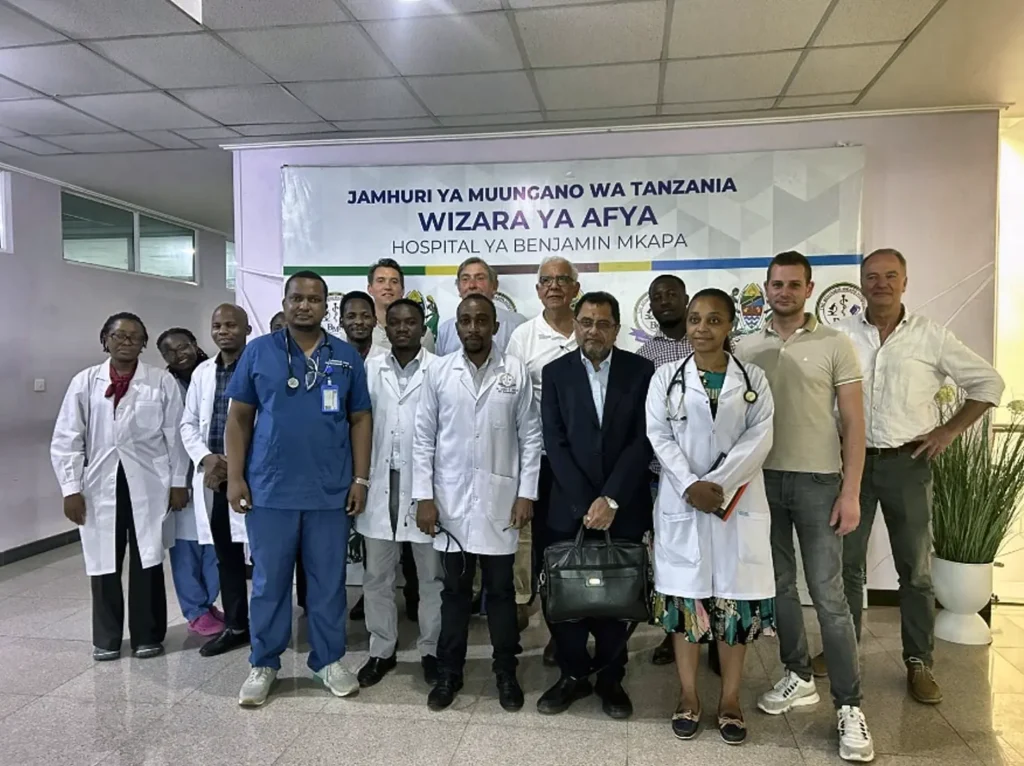
Two weeks ago, a multidisciplinary team of Dutch healthcare professionals departed for Tanzania with one clear mission: to contribute to the development of specialized foot care for people with diabetes and the establishment of a diabetic foot clinic at the Benjamin Mkapa Hospital (BMH) in the capital, Dodoma. What began as online education grew into an inspiring collaboration with local healthcare providers who are dedicated to better diabetes care.
For the diabetic foot, the team consisted of Sjef van Baal (np vascular surgeon), Arne Wessels (wound nurse and physician assistant ZGT Almelo), and Tim van Dun (diabetes podiatrist Stepp Footcare). Additionally, there proved to be a great need for support and education in the field of trauma surgery and vascular surgery, as a result of which Hence Verhagen (Professor of Vascular Surgery Erasmus MC Rotterdam) and Mark van Baal (trauma surgeon UMC Utrecht) joined the group at Dodoma.
A growing problem
Diabetes is a rapidly growing health problem on the African continent. The number of patients is expected to increase exponentially over the next twenty years. With this enormous growth, complications are also increasing, including severe foot wounds, infections, and ultimately potentially amputations. Many of these amputations are preventable through good preventive (foot) care.
A major challenge is that basic knowledge about diabetes and its treatment is not yet available everywhere. Preventive foot care—which is well-organized in the Netherlands—is still in its infancy in many regions or is not yet a reality at all. In addition, healthcare in Tanzania is not accessible to everyone. It is estimated that approximately 75 percent of the population lacks health insurance, meaning that medical assistance remains difficult for many people to access, as their own financial resources are often insufficient.
Remote preparation
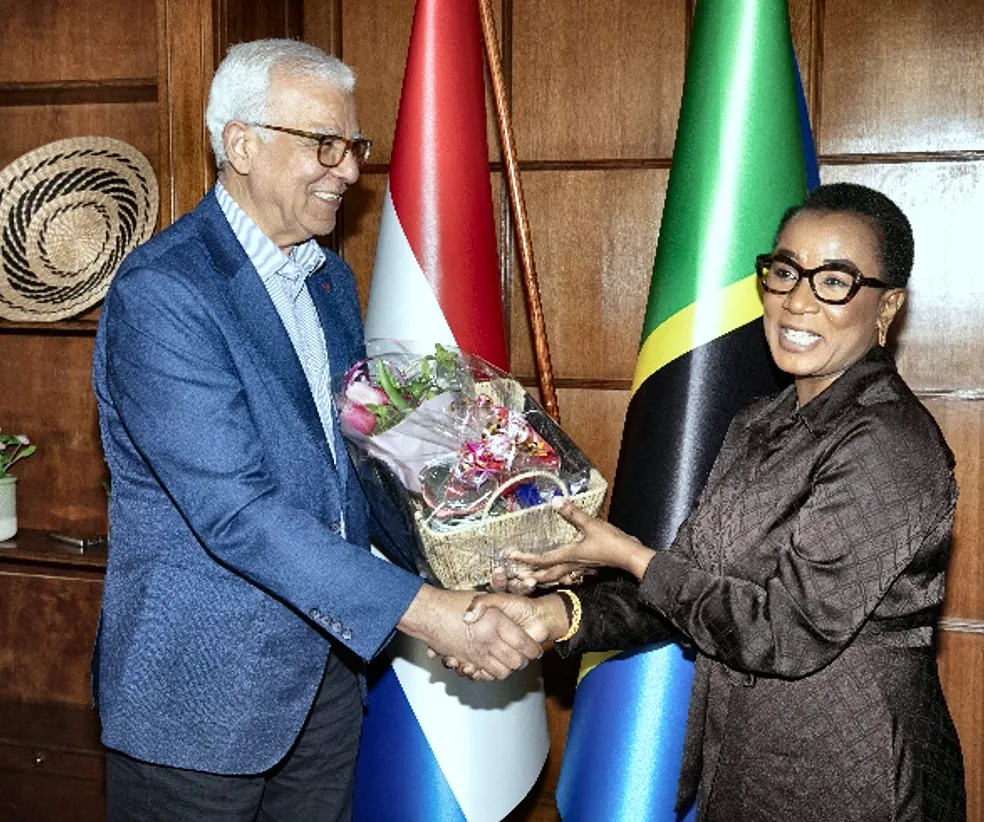
Prior to the trip to Tanzania, the team was invited to The Hague by the Ambassador of Tanzania, Ms. C. Chipeta. On behalf of her country, she emphasized the support for our group, part of the ZGT Overseas Foundation. The visit was the result of six months of intensive preparation. During that period, the Dutch team provided online education for a group of Tanzanian doctors, specialists, and nurses. The e-learnings covered topics including the pathophysiology of diabetes mellitus, wound care, the importance of offloading (pressure relief of the foot), and preventive foot care.

In addition, the practical setup of a diabetic foot clinic was discussed. International guidelines from the IWGDF formed an important starting point, but not all resources described therein are available in a country like Tanzania. Therefore, a pragmatic approach was central: working with the available resources and providing the best possible care.
A surprising result
Upon arrival in Dodoma, it became apparent that local healthcare providers had put the acquired knowledge into practice impressively quickly. Within six months, a functioning diabetic foot clinic had been established. Diabetic patients were actively identified, feet were preventively screened for risk factors, and patients received clear advice to prevent wounds. It was a pleasant surprise to see how carefully and motivated the local multidisciplinary team had worked; the foundation was solid.


Symposium on the diabetic foot
The week began with a symposium for all healthcare professionals from the region and the BMH. Together with Tanzanian endocrinologist Prof. Abbas from Dar es Salaam, various aspects of diabetes were discussed. He served as chairman of D-Foot International for several years, an organization responsible for the implementation of international diabetic foot guidelines worldwide. He is also a member of the international guidelines committee.
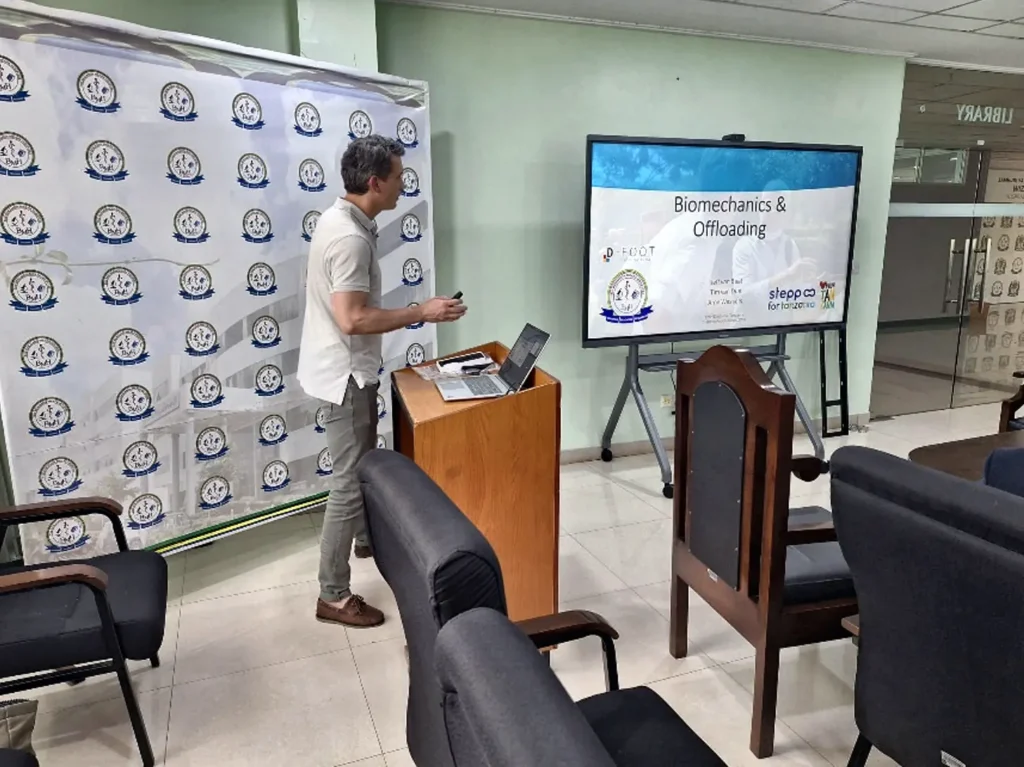
During the symposium, topics covered included the epidemiology of diabetes in Africa, the pathophysiology of the disease, and foot complications. The Dutch specialists gave lectures on vascular issues, wound healing, and debridement. The podiatrist highlighted the importance of biomechanics, pressure relief, therapeutic footwear, and prevention.
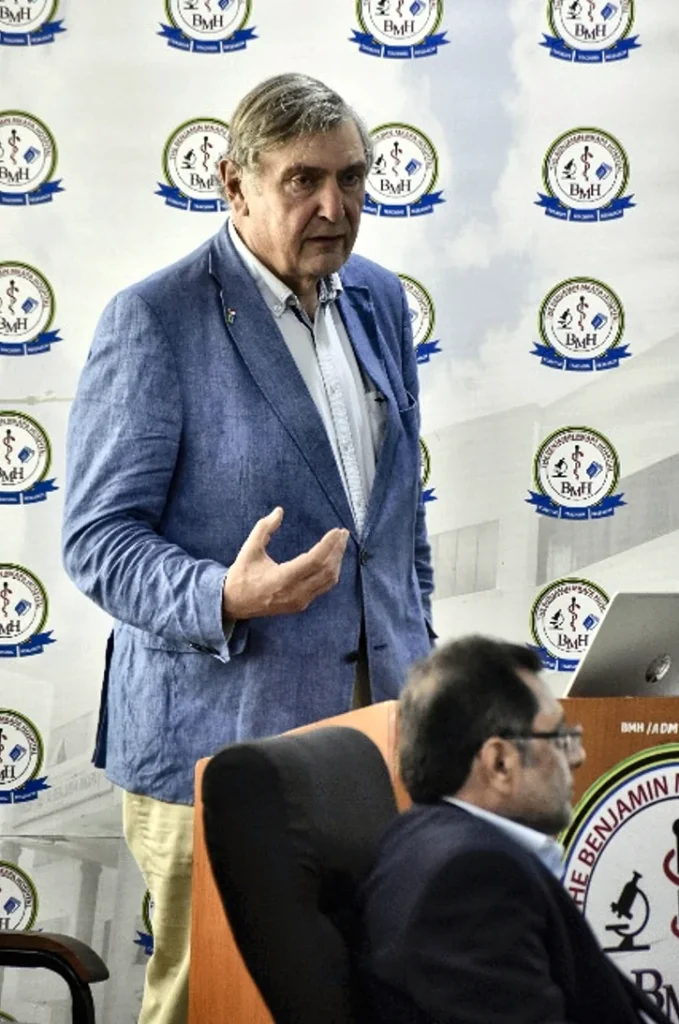
Although Kristn Lodder, podiatrist and orthopedic shoe technician at Stepp Footcare, was unfortunately unable to attend due to family circumstances, the importance of proper footwear and prosthetic devices was discussed extensively. In Tanzania, amputations are still regularly performed as a result of chronic foot wounds, while rehabilitation and prosthetic provisions are often unaffordable and therefore impossible. The shared ambition is to prevent this as much as possible in the future through early treatment and prevention.
Practical training days at the clinic
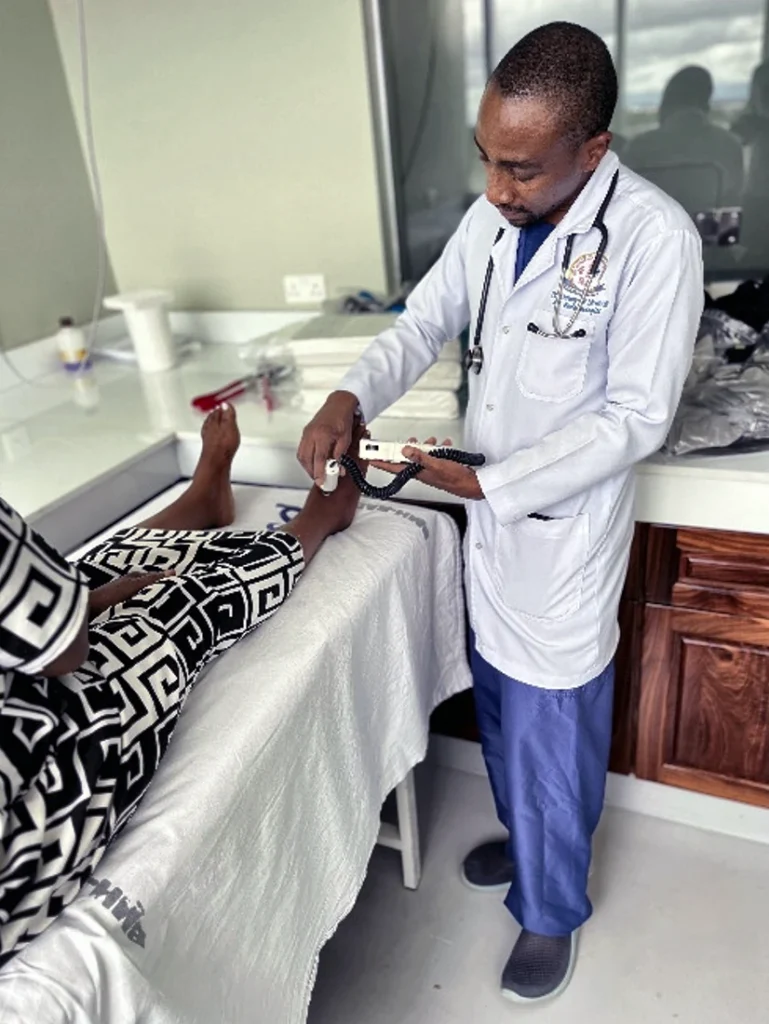
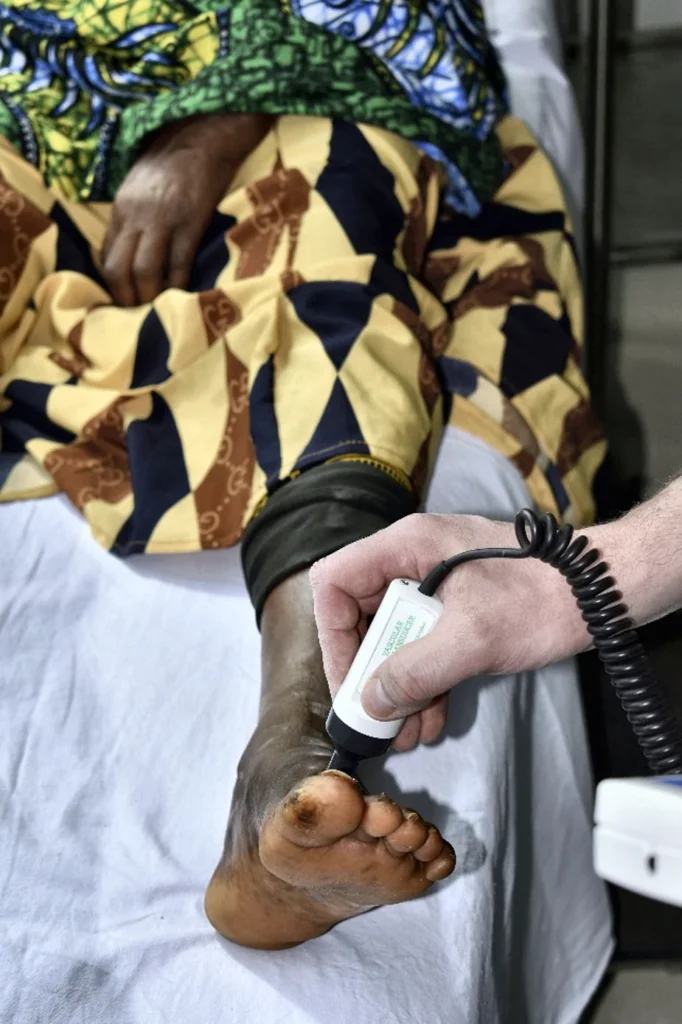
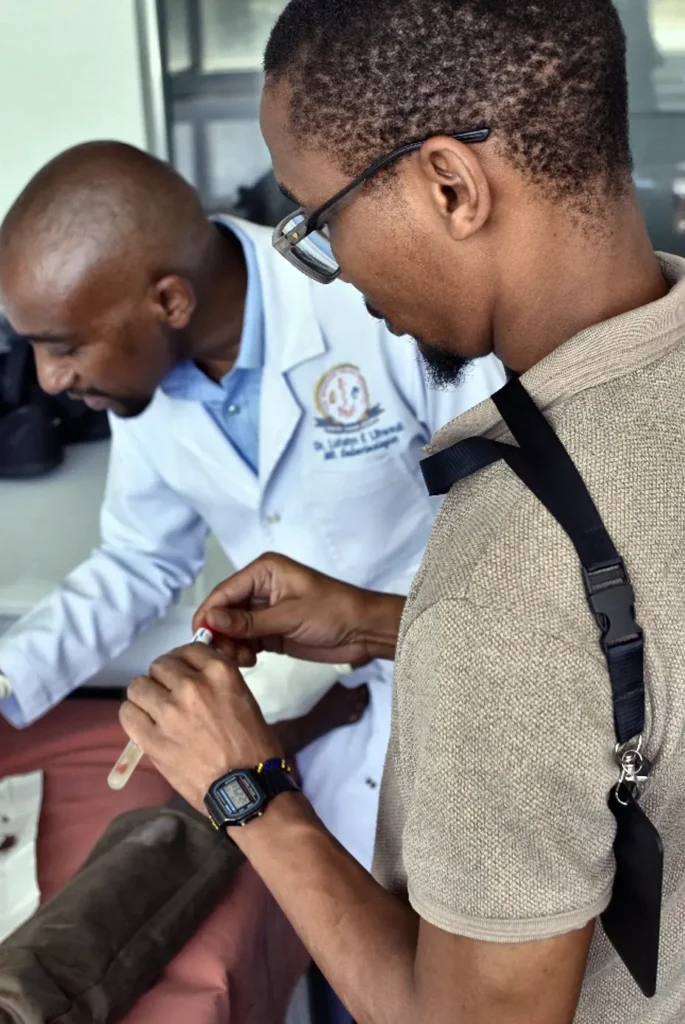
The symposium was followed by several intensive practical training days. Approximately twenty patients were seen daily in the clinic. Some patients came for wound treatment, others for preventive foot care. It was notable that a surgeon and a wound nurse played an important role within the foot team. After all, debridement and minor amputations, alongside screening and offloading, are of vital importance for preserving the leg.
It became clear that a motivated and ambitious team at Dodoma is ready to further develop diabetic foot care. Endocrinologists took the lead, nurses wanted to further specialize in wound care, and shoemakers, prosthetists, and surgeons also showed great commitment. There was also a willingness from the orthopedics department to collaborate closely with the diabetic foot team.
Collaborating across borders
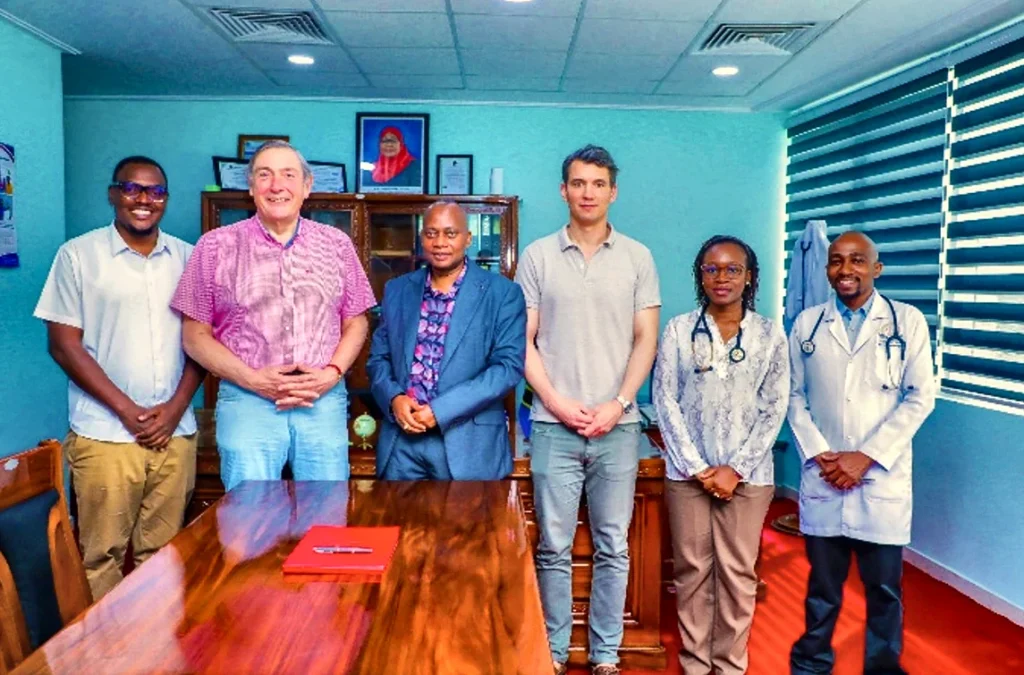
An important outcome of the mission was making concrete agreements for further cooperation. For instance, a weekly multidisciplinary meeting (MDO) will be started in the short term, in which complex patient cases will be discussed jointly.
During these discussions, the various disciplines will contribute their expertise regarding questions such as: what type of debridement is necessary and who will perform it? Which antibiotics are suitable for this infected wound? How can pressure relief be applied to accelerate healing and prevent recurrence? And when surgical intervention is unavoidable, how can it be performed in such a way that a good prosthesis or shoe fitting remains possible?
One of the longer-term plans is the organization of a large national symposium on the diabetic foot in Dodoma. This symposium will take place at the BMH and aims to bring together healthcare professionals from across the country. In addition to local speakers, international experts will also be invited to share their knowledge and experience. The event is intended to become a platform where doctors, specialists, nurses, podiatrists, shoemakers, prosthetists, and other involved disciplines meet, exchange knowledge, and work together to provide better care for people with diabetes.
At the same time, the symposium offers an opportunity to prominently put the BMH in Dodoma — and the diabetic foot team in particular — on the map. In a relatively short time, the team has demonstrated that it is capable of building high-quality care with limited resources. By making this development visible, the initiators also hope to inspire other hospitals and healthcare institutions to launch similar initiatives.
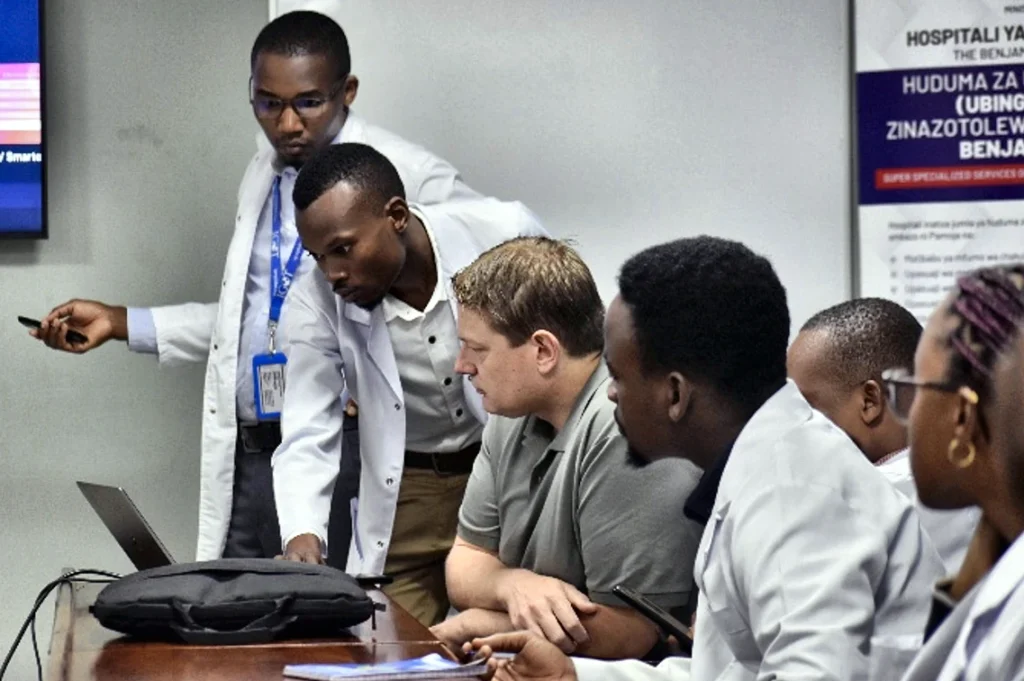
Vascular surgery
The team observed little vascular pathology in the 80 pairs of diabetic feet they saw in the clinic. This is in contrast to the Western population, where vascular disease plays a role in more than half of diabetic foot wounds. Dr. Abbas, in particular, reported a gradual increase in vascular disease among his patients with diabetes.
Although the team emphasizes good wound care and surgical treatment by a trained wound nurse and a surgeon for the treatment of the diabetic foot, more specific endovascular or vascular surgical interventions will indeed be necessary as the number of patients with vascular disease increases. This will then need to be concentrated in centers such as the one in Dodoma, which can be combined as part of a vascular surgical setting to be established. An important pillar for the future could therefore be the training of vascular surgeons. However, the most important thing is to first further develop vascular surgery within the clinic, noted Prof. Hence Verhagen.
Education in the Netherlands
In addition, it has been agreed with the management of the BMH that a nurse and an endocrinologist from Dodoma will come to the Netherlands for a few weeks in the near future for further training. During this internship, they will become acquainted with the Dutch approach to diabetic foot care, with special attention to wound treatment, offloading, and prevention. The intention is that they will subsequently share the acquired knowledge with their colleagues in Tanzania, so that local expertise can continue to grow.
By investing in training, knowledge sharing, and multidisciplinary collaboration, a solid foundation for sustainable diabetic foot care in Tanzania is being created step by step. These are initiatives that not only make a difference today but also contribute to a future in which more and more patients receive the care they need.
A mission with a future
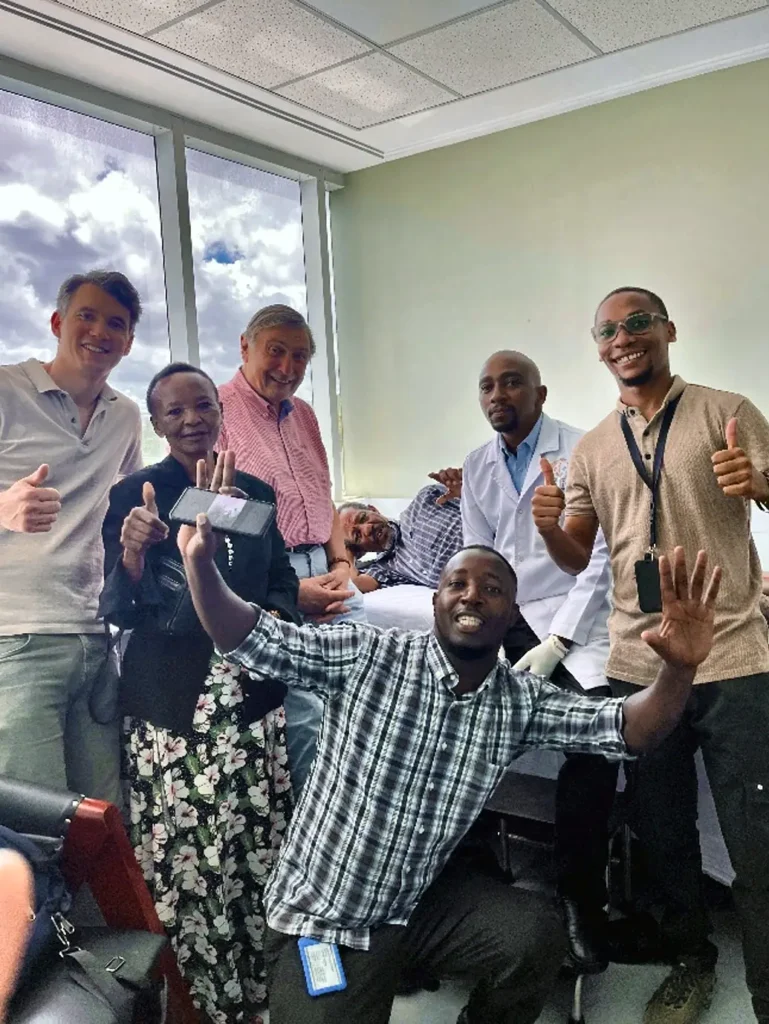
The mission to Dodoma can rightly be called successful. In a short time, a strong foundation has been laid for structural cooperation between Dutch and Tanzanian healthcare professionals.
What perhaps made the biggest impression was the motivation and commitment of the local teams. With limited resources, but with extensive knowledge, enthusiasm, creativity, and collaboration, they are working towards better care for people with diabetes. The hope is that this collaboration can be further expanded in the future—not only in Tanzania, but possibly also in other African countries where specialized foot care is not yet a matter of course.
For now, we look back on an inspiring week, in which knowledge was shared, new plans were made, and above all: in which it became clear how much is possible when professionals collaborate across boundaries.
Leave a Reply