

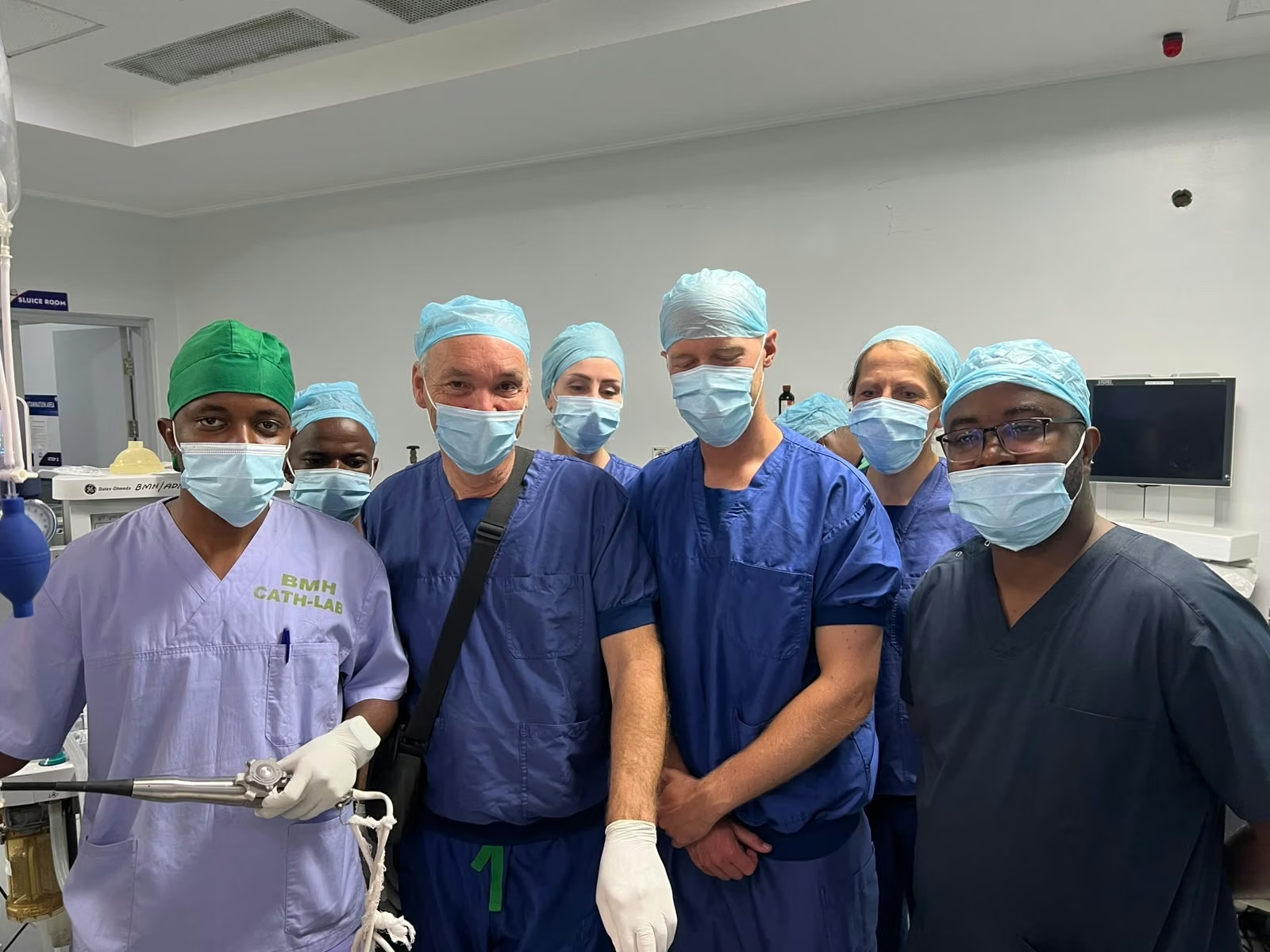
In October 2026, Stichting ICProgress, Medisch Spectrum Twente (MST) and Benjamin Mkapa Hospital (BMH) worked together again in Dodoma, Tanzania. The visit focused on cardiac surgery care, from preparing patients for an operation to monitoring them in intensive care and supporting their recovery.
The teams built on their existing partnership. They operated together, ran practical training sessions and shared experience at the bedside. They adapted the work to the equipment, routines and needs of healthcare professionals in Dodoma.
In this article
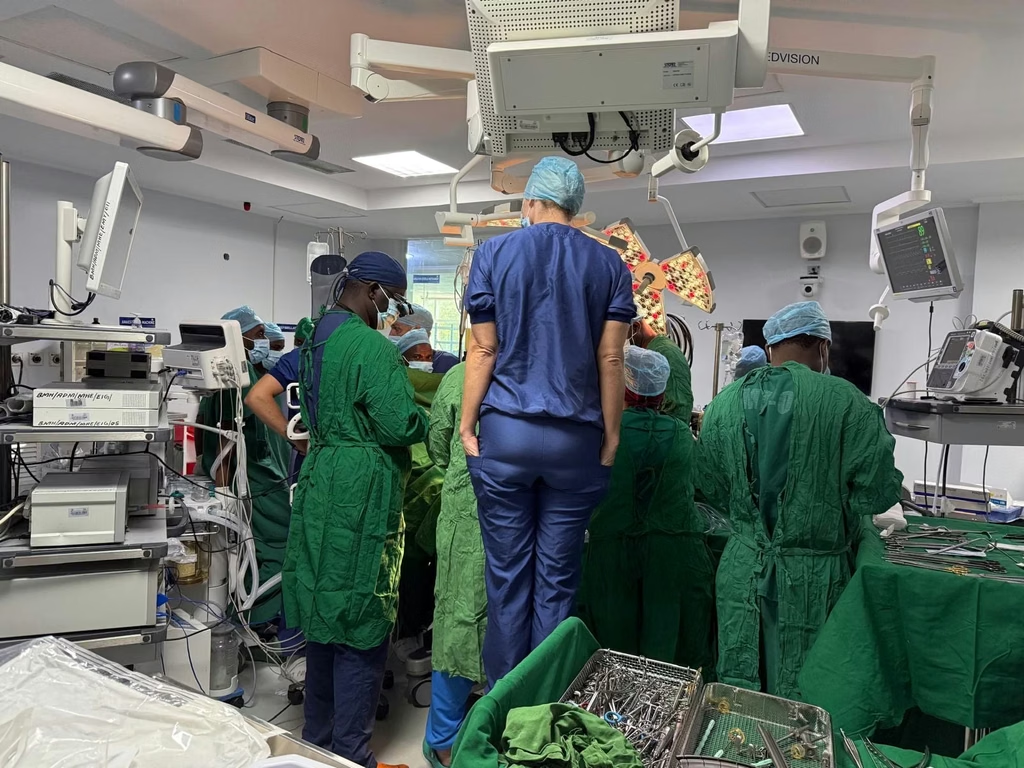
Five complex heart operations in Dodoma
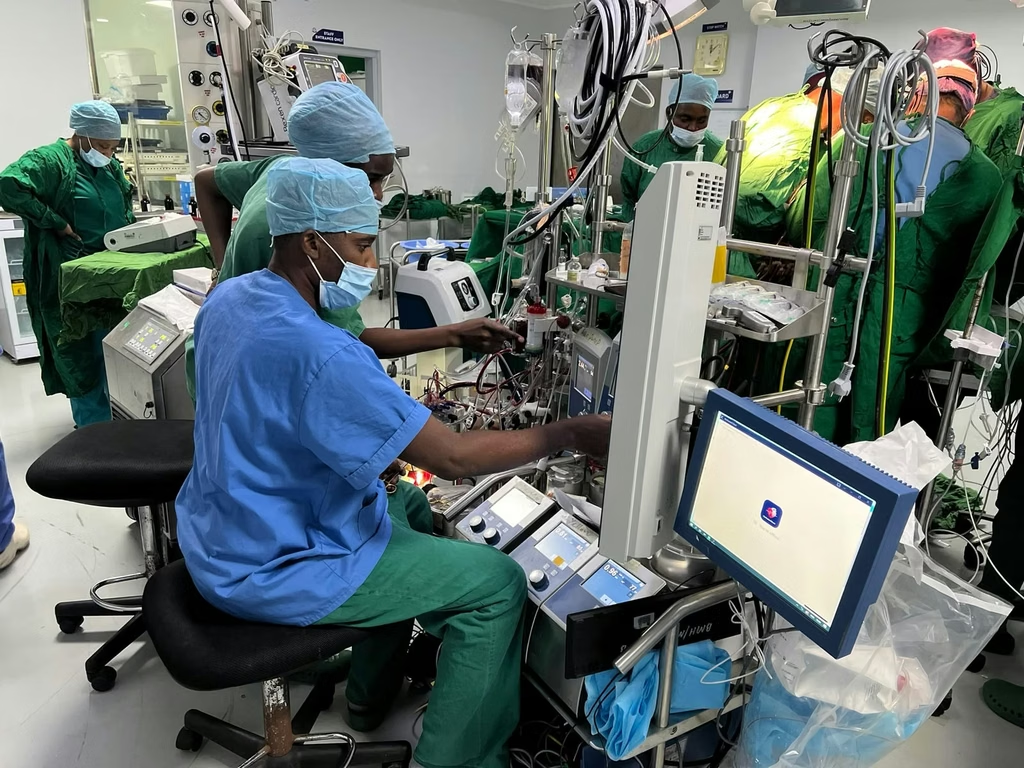
The team operated on five patients with different complex heart conditions. Most had severe valve disease caused by rheumatic heart disease. Two patients had their mitral valves repaired because of severe narrowing, leakage or both.
A third patient underwent mitral valve repair and aortic valve replacement. This patient also had severe pulmonary hypertension, or high blood pressure in the circulation to the lungs. Another patient underwent a Bentall procedure to replace the aortic valve and aortic root because of an aneurysm and severe leakage of the valve. In a child, the team closed an opening between the heart’s upper chambers, known as an atrial septal defect (ASD).
The different procedures gave the teams a chance to compare their experiences. Close monitoring of circulation and early recognition of complications are especially important when patients have several valve problems, pulmonary hypertension or extensive surgery on the aorta.

The first hours in cardiac care
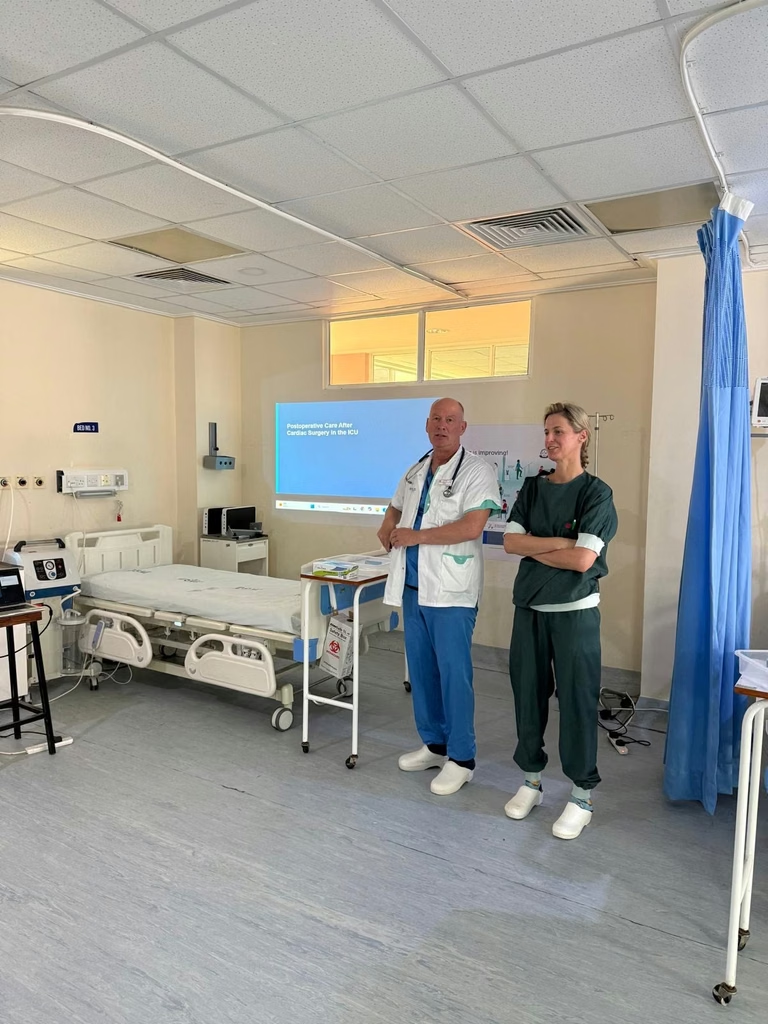
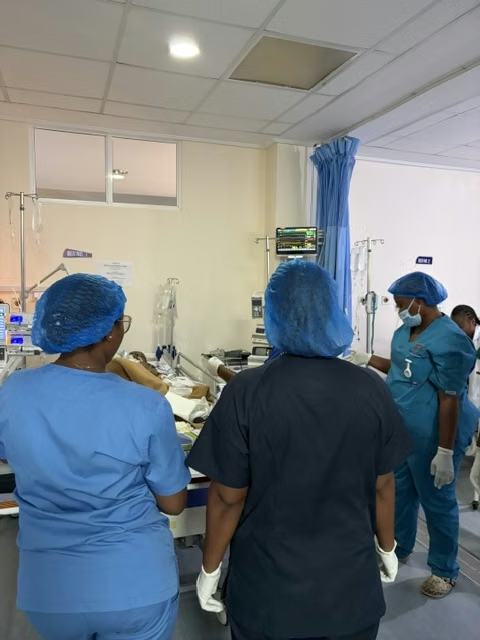
After surgery, patients were admitted to the Cardiac Care Unit (CCU/ICU2) at Benjamin Mkapa Hospital. In those first hours, circulation, breathing and heart rhythm can change quickly. Doctors and nurses need to recognise these changes and treat them where necessary.
The teams covered systematic patient assessment, circulatory monitoring, ventilation, fluid balance and blood loss. They also discussed chest drains, temporary pacemakers, arrhythmias, pain relief and sedation. Together they considered when to reduce support and which signs might point to complications. The question throughout was what each patient needed at that moment.
Learning from one another
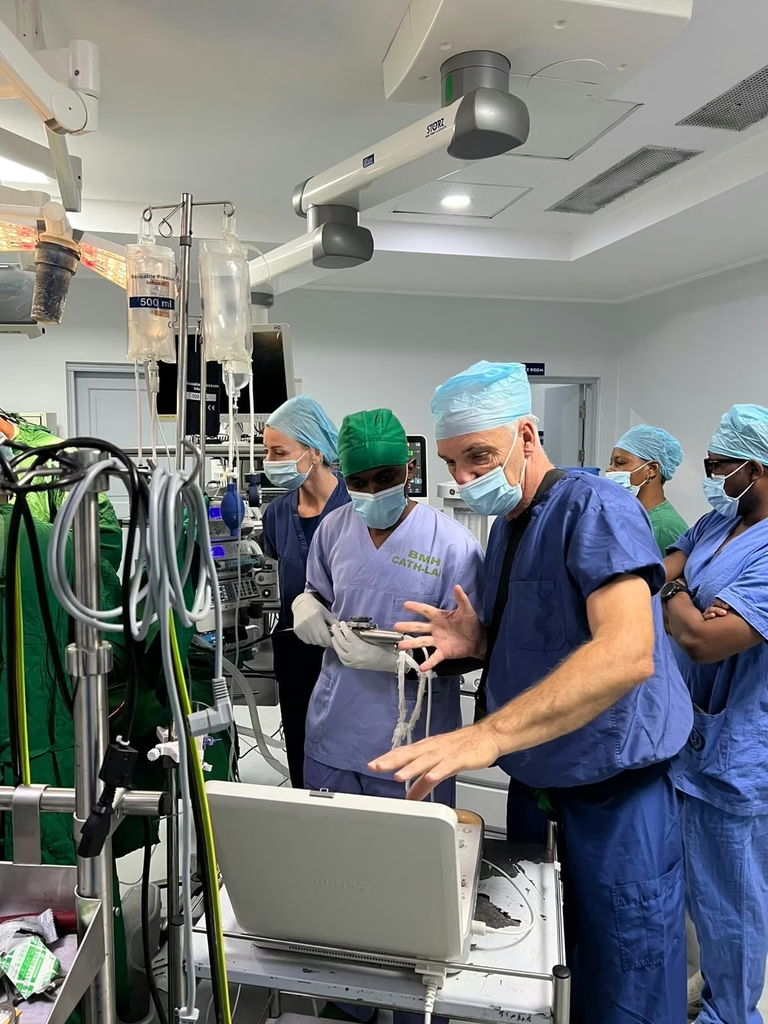
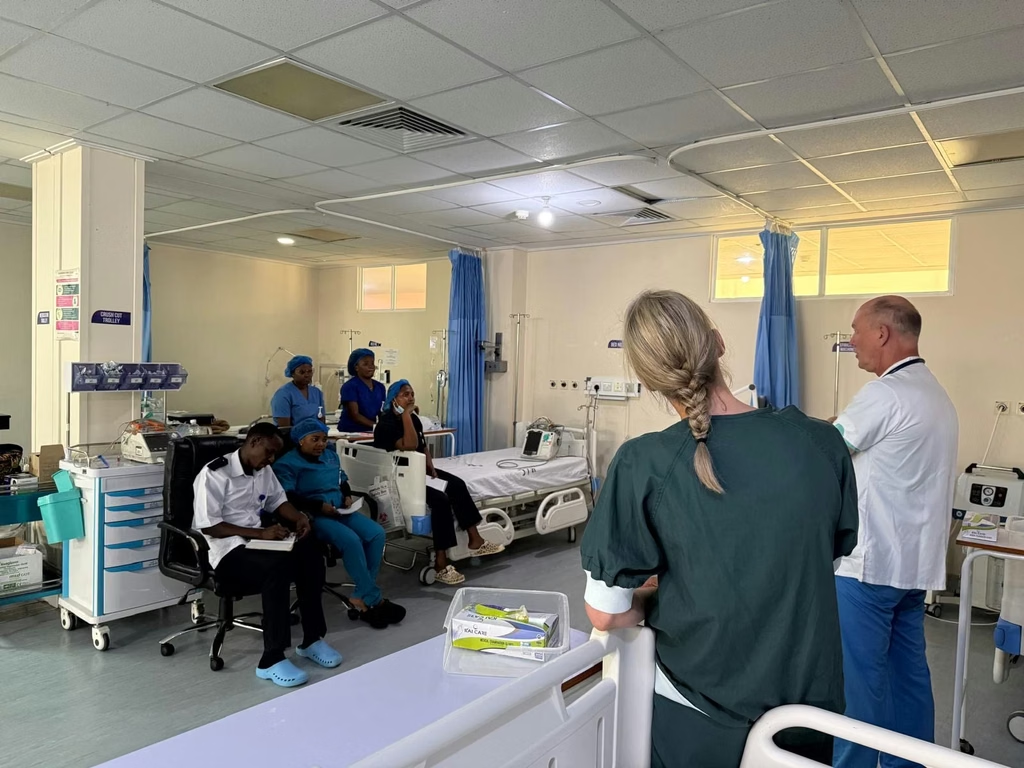
Working together at the bedside connected clinical knowledge with daily practice in Dodoma. The teams discussed ECG interpretation, blood clotting, postoperative bleeding and signs that a patient’s condition was deteriorating. They also covered resuscitation, defibrillation and how to respond to emergencies after heart surgery.
Doctors and nurses at Benjamin Mkapa Hospital work with patients with complex conditions every day. Both teams shared knowledge and experience by asking questions, getting to know each other’s routines and working through problems together.
Physiotherapy during recovery
Care continues after the patient leaves the operating theatre. Physiotherapy supports breathing and coughing, helps prevent lung complications and helps patients start moving again. Depending on the patient’s condition, this begins with simple exercises in bed. Patients then progress to sitting up, getting out of bed, standing and walking.
Physiotherapists, nurses and doctors decide together when a patient is ready for the next step. They consider circulation, breathing, pain and how much activity the patient can manage. This support helps patients regain as much independence as possible.
A safe handover to intensive care
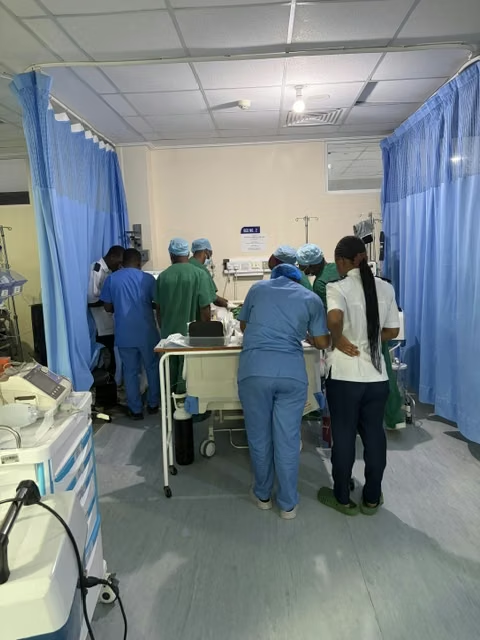
During the transfer from the operating theatre to the CCU, staff connect the patient to monitoring equipment while passing on important information. The teams in Dodoma discussed how SBAR (Situation, Background, Assessment, Recommendation) can structure the handover. A quiet setting, clear roles and the presence of staff directly involved in the transfer all help.
The cardiac anaesthetist, cardiac surgeon, anaesthetic assistant, receiving doctor and responsible nurses each have a role. They discuss the operation, circulation and breathing, medicines, blood loss, drains, pacemaker settings and possible complications. There also needs to be time for questions.
Clear responsibilities when quick action is needed
Bleeding, arrhythmias and problems with circulation or breathing can develop quickly. Nurses therefore need to know which doctor is available immediately, who is responsible and when to call for additional expertise. This also matters when someone needs to return to theatre urgently. Coordination between the CCU, cardiac surgery, anaesthetics and the theatre team helps staff make decisions and act in time.
A designated place for equipment
The teams also reviewed the layout of the bed spaces where patients are cared for after surgery. When borrowed equipment is returned late, care can be delayed. A standard set of equipment at each bed, clearly designated storage and regular checks of monitors, infusion pumps, ventilators and emergency supplies can help prevent this.
Continuing the partnership in Dodoma
The partnership between Stichting ICProgress, Medisch Spectrum Twente and Benjamin Mkapa Hospital covers the full course of care. By operating together and learning how each team works, they continue to improve cardiac surgery care in Dodoma around the needs of patients.
Thanks to the authors of the report: Jan G. Grandjean, Rik T. Gerritsen, Nicoline Snellers, Nicobert Wietsma, Sanne Wolverink and Carien Scheltinga.