


An Inspiring Meeting Full of Innovation
From the moment the conference began, there was an atmosphere of inspiration and dedication in the air. It was wonderful to finally meet the people with whom I had been collaborating frequently via digital channels over the past few months. After all, face-to-face meetings strengthen the bond between colleagues and encourage in-depth discussions about the latest developments in cancer care.
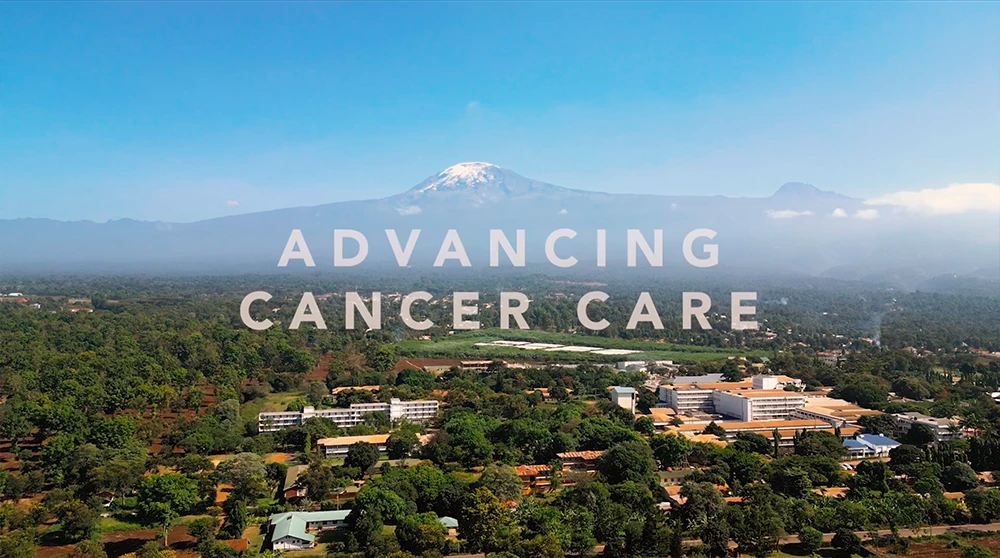
During this meeting, we had the opportunity to officially open the first International Cancer Conference 2025. This moment marked an important step in our joint journey to improve cancer care in Tanzania. By working together to share knowledge and seek innovative solutions, we are building a future in which patients’ quality of life and treatment outcomes will improve significantly.
International Cooperation and Local Innovation
One of the most striking elements of the conference was the mix of international expertise and local strength. Experts from renowned institutions, such as the Mayo Clinic, shared their experiences and proven methods. At the same time, medical professionals from local hospitals, such as the Kilimanjaro Christian Medical Centre (KCMC), demonstrated that they too are conducting groundbreaking research and presenting data. This combination of knowledge and experience led to fruitful discussions and concrete ideas for improvement.
Young researchers and trainees also played a prominent role. It was remarkable to see how they presented their own research and thus contributed to the ever-evolving knowledge base in oncology. Their passion and dedication underscore that the future of cancer care in Tanzania is in good hands. By investing in these young minds, we are building sustainable, innovative healthcare for future generations.


Bringing Together Various Healthcare Institutions
What made this conference even more special was the presence of both government institutions and facilities run by the Good Samaritan Foundation. This collaboration is crucial because it reflects the integrated approach to cancer care. Sharing knowledge and resources ensures that the entire healthcare sector in Tanzania – from large urban centres to the most remote areas – can benefit from new insights and treatment options.
The representation of different types of healthcare institutions demonstrates that improving cancer care is a shared responsibility. By working in multidisciplinary teams and leveraging each other’s strengths, we can better respond to the diverse needs of the patient population. All of this contributes to the goal of providing the best possible care to cancer patients in Sub-Saharan Africa.
Key Innovations and Practical Applications
A central theme during the conference was innovation in diagnosis and treatment. During the sessions, various groundbreaking ideas were discussed that could lead to earlier diagnosis of cancer. Early detection is crucial: the earlier a tumour is detected, the greater the chance of successful treatment. Consider, for example, the introduction of new technologies and techniques that make it possible to recognise abnormalities at an early stage – similar to quickly spotting a melting ice cream before it disappears completely.
Another important topic was diversity in treatment modalities. We learned about alternative approaches that go beyond traditional methods, which was particularly motivating. By discussing the latest data and case studies together, practical ideas emerged about how these innovations can be used in everyday care. This not only means better treatment results, but also a more efficient use of often limited resources.
In addition, the role of government advice played a major role. During the conference, there was discussion about how we, as medical professionals, can advise the government on how best to allocate limited resources. By presenting a concrete and substantiated view of the data, we can help policymakers make the right choices and thus make a difference in cancer care.


The Power of Multidisciplinary Collaboration
Cancer continues to evolve, and with each new discovery comes the realisation that we too must constantly adapt. That is why it is so important for professionals from different disciplines – from radiotherapy to surgery and from clinical research to policy-making – to work closely together. The conference emphasised that combining this diverse knowledge not only benefits diagnosis and treatment, but also the support provided to patients and their families.
A multidisciplinary approach offers the opportunity to optimise every aspect of care. This ensures that not only is the medical treatment up to standard, but that sufficient attention is also paid to aftercare, psychosocial support and preventive measures. This holistic model helps cancer patients to be better prepared, not only physically but also emotionally, for the challenges that a cancer diagnosis brings.


Evolving Together Against Cancer
The end of the conference does not mean the end of our journey, but rather a new beginning. The insights and innovations presented in Tanzania form the basis for future collaborations and research. The passion of both experienced specialists and young researchers bodes well for cancer care in the region. We are on the verge of refining diagnostic techniques, diversifying treatment methods and making more targeted use of the limited resources at our disposal.
As cancer patients are increasingly confronted with complex and changing forms of the disease, it is crucial that we – as a medical community – continue to learn and innovate. By engaging in dialogue, sharing practical experiences and forming multidisciplinary teams, we can make a real impact on the lives of many.
For anyone involved in healthcare or simply interested in medical advances, it is inspiring to see how a joint effort can bring about real change. Let us maintain this energy, strengthen our ties and continue to work together. Together, we can tackle tomorrow’s challenges and do everything we can to raise the standard of cancer care in Tanzania and beyond.
This conference is a powerful reminder that, although cancer continues to evolve, our ability to respond and adapt remains just as strong. By continuously striving for improvement and innovation, we are building a future in which every patient receives the care they deserve. Let us continue this journey together – for ourselves, for our patients and for the future of healthcare across Sub-Saharan Africa.
Leave a Reply